
Cloud County Court Record Requests
Figure out which office holds the file before anything else. Judicial records in Cloud County belong to the Cloud County District Court Clerk's Office. That office keeps district criminal, civil, family, probate, mental-health, juvenile, traffic, and municipal-appeal files. A municipal docket stays with the city clerk that created it. County administrative records sit with the county clerk. These offices cannot fill in for one another.
For district case information, Kansas CaseSearch is the online option. Every district courthouse also maintains a public terminal. Want the document behind a docket entry? Call the clerk, come to the counter, or mail a written request. Just confirm delivery and payment details first.
- Choose a case-information printout, docket, plain document, certified copy, or transcript.
- Confirm that Cloud County District Court owns the case.
- Search and note the exact case number, event title, and date.
- Call 785-243-8124 to confirm fees and accepted delivery methods.
- Use the judicial KORA form or clerk-approved request.
- Ask for an estimate and whether advance payment is due.
Cloud District Court KORA Form
Need a focused form for court records? The Kansas Court Records KORA form covers that. It asks you to name a county District Court and choose email, mail, pickup, or fax delivery. You also supply contact details, a specific record description, a signature, a date, and a commercial-use certification under K.S.A. 45-230. The clerk posts no dedicated records email, so phone first before sending anything electronically.
For the underlying access statute, the official text of K.S.A. 45-218 sets out inspection rights and response duties.
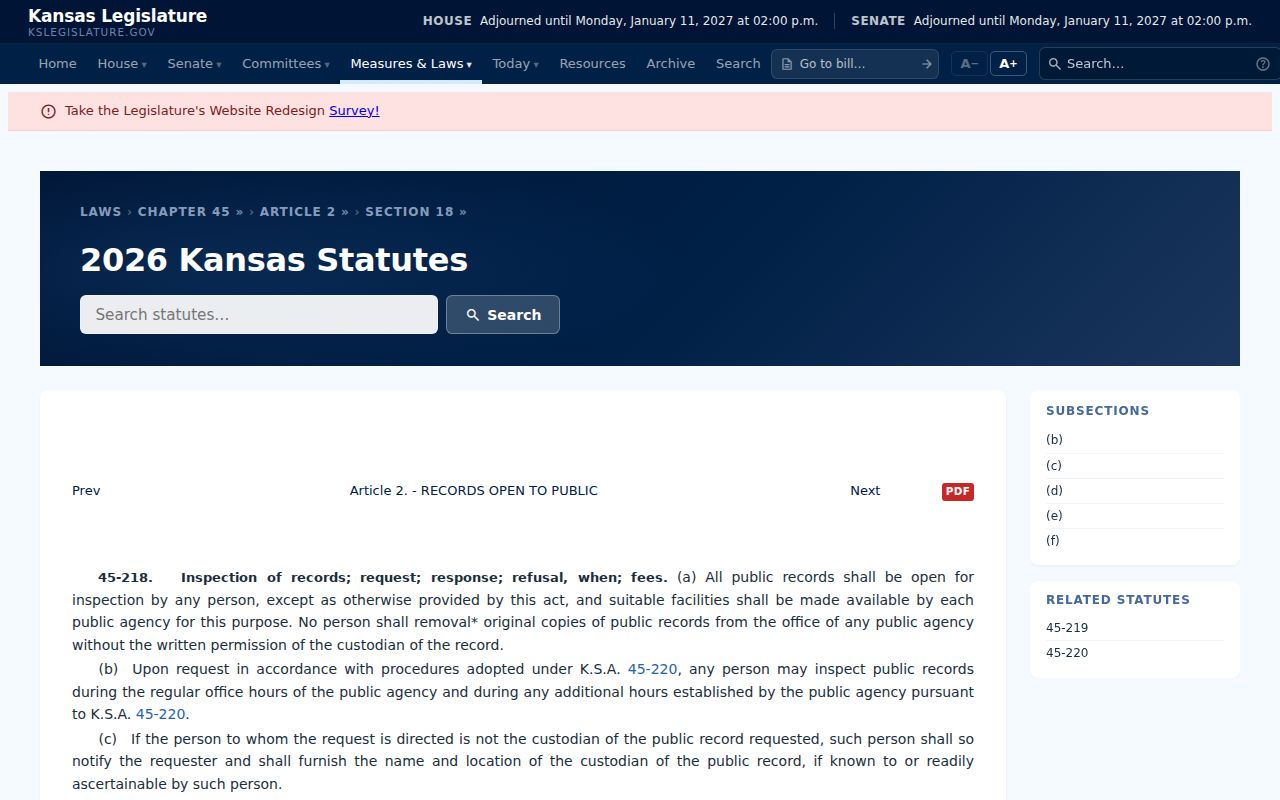
The law sets a deadline: the end of the third business day. The response by then can be the records, a delay explanation, or another reply rather than immediate delivery of the requested docket materials.
Kinds of Cloud County Court Records
Cloud County court records come in layers. A docket or events index is the chronological reference, while a filed document is the actual pleading, notice, order, judgment, exhibit, or citation that an entry names. A certified copy is a clerk-authenticated reproduction; a portal printout is not automatically certified.
- Docket sheets and events indexes
- Petitions, motions, answers, and notices
- Signed orders and judgments
- Public criminal, civil, probate, and family material
- Certified clerk copies
- Older paper or scanned files
For a hearing transcript, a court reporter is the likely route. Cloud County posts no reporter contact, transcript rate, or set turnaround. Ask the clerk to identify the proper reporter.
Three Cloud County Record Products
CaseSearch can show a header and event without the document itself. A visible PDF can be an ordinary public image without certification. What you actually need, whether a docket entry or a certified copy, determines both the correct channel and the likely cost.
| Product | Purpose | Channel |
|---|---|---|
| Docket or events index | What was recorded and when | CaseSearch or terminal |
| Filed document | Text of a pleading, notice, order, or judgment | Online image or clerk |
| Certified copy | Clerk-authenticated record | District Court clerk |
Check with the receiving agency first. Ask which form it will accept before you pay any fee, since a certified copy ordered for a plain-copy job wastes money, and a plain copy will not satisfy an office that demands certification for a court record.
Cloud County Records: What They Contain
The public layer of case information and the full court file overlap, but they are not the same thing. A Cloud County court record can include the common fields below, though what appears depends on the case type and on any access limits the clerk applies.
| Case number | The identifier used to retrieve the correct file. |
|---|---|
| Case header | Court, case type, filing date, status, and caption. |
| Parties | Names and roles that remain public. |
| Events index | Dated filings, settings, orders, and disposition events. |
| Documents | Public images linked when electronic access is allowed. |
| Judgment | Outcome and financial entries when displayed. |
A missing image does not mean no record exists. The file may predate online coverage, sit in paper storage, or fall under a Rule 22 exclusion from public view.
Older Cloud County Paper Records
Older Cloud County records may still live on paper. Some sit in off-site storage. Others exist only as scans in an earlier system. Kansas guidance does not promise online images from before each court's eCourt period. The clerk posts no local archive address, microfilm index, retrieval fee, or turnaround time. When you call, give the approximate year, case type, and party role. Add the case number if you have it. For electronic access to court records, see what K.S.A. 20-371 covers.
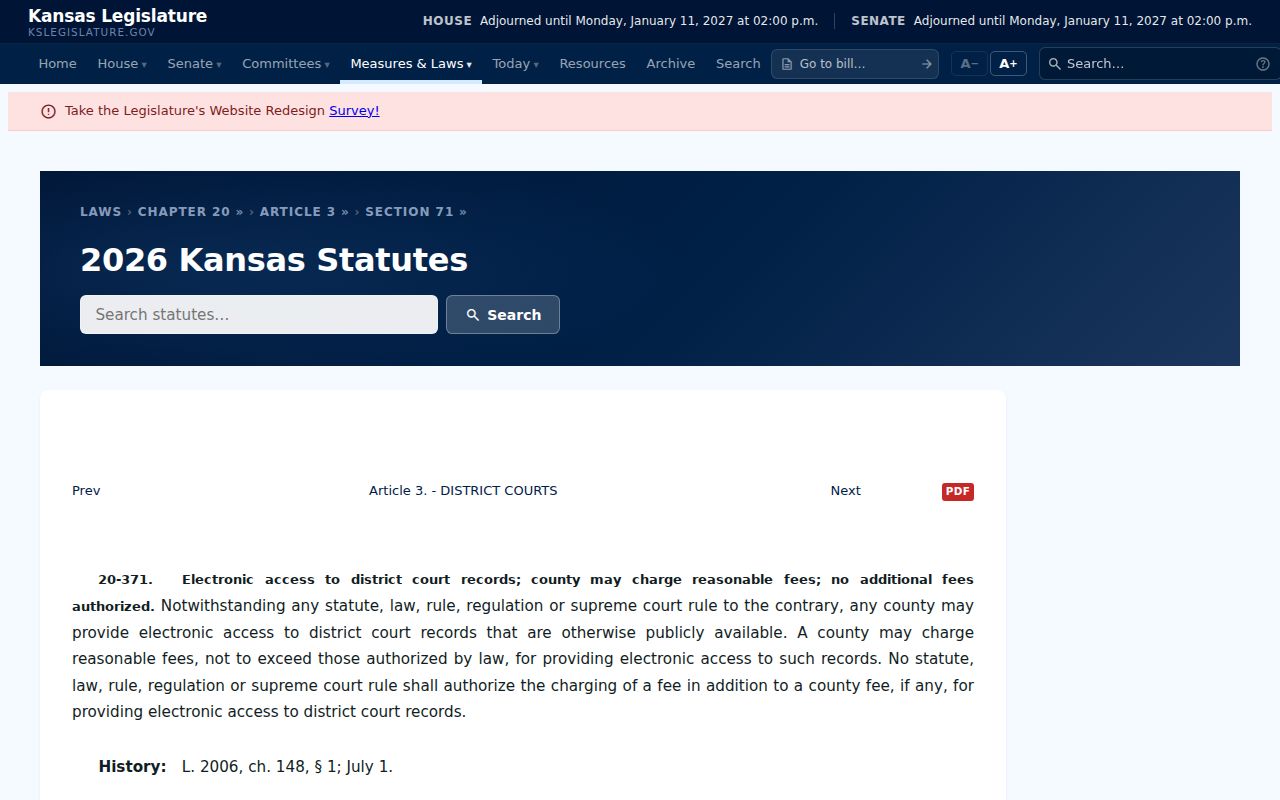
Going digital has its limits. The courthouse still holds the older Cloud County paper files, and nothing requires the clerk to put every historical case record online, so a visit or a written request often remains the way in for deep docket research.
Cloud County Copy Fees and Certification
No Kansas judicial form lists a set Cloud County per-page or certification rate. Rule 1.03 allows charges for the response, and K.S.A. 45-219 lets the office collect reasonable copy fees plus advance payment. Ask for an estimate before you commit.
| Item | Published amount |
|---|---|
| CaseSearch guest information | Free public search |
| Plain copy | Not located in official Cloud sources |
| Certified copy | Not located in official Cloud sources |
| Retrieval or staff search | Confirm estimate |
The image of K.S.A. 45-219 documents fee authority.
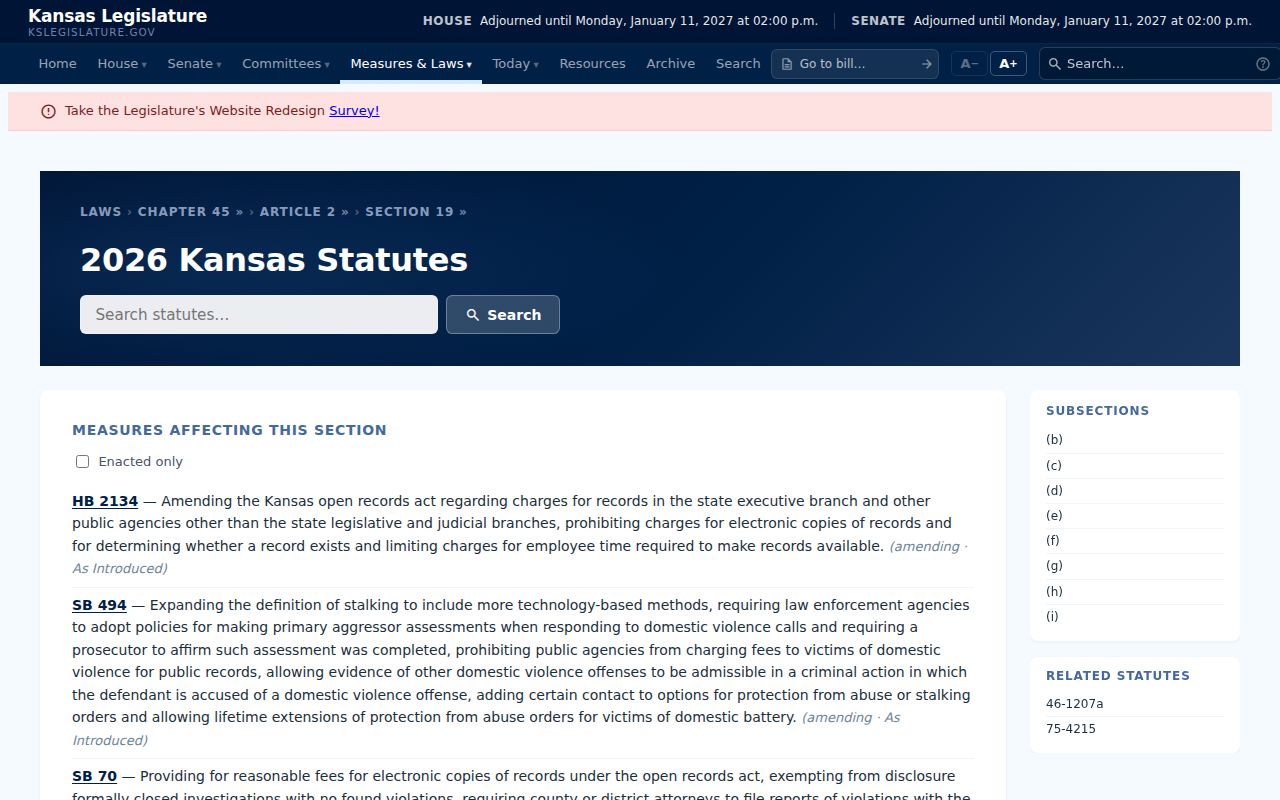
The clerk's current quote, not a guessed statewide price, controls the request cost.
Cloud County District Court Clerk's Office
811 Washington Street, Suite P
Concordia, KS 66901
785-243-8124
Fax: 785-243-8188
Cloud County Clerk Custody Map
The word "clerk" can send a court docket request to the wrong desk. The District Court clerk keeps the judicial files, while the county clerk holds county-government records; municipal clerks keep city-ordinance and city-traffic dockets, and federal records sit with the federal clerk. For the scope of municipal jurisdiction, see K.S.A. 12-4104.
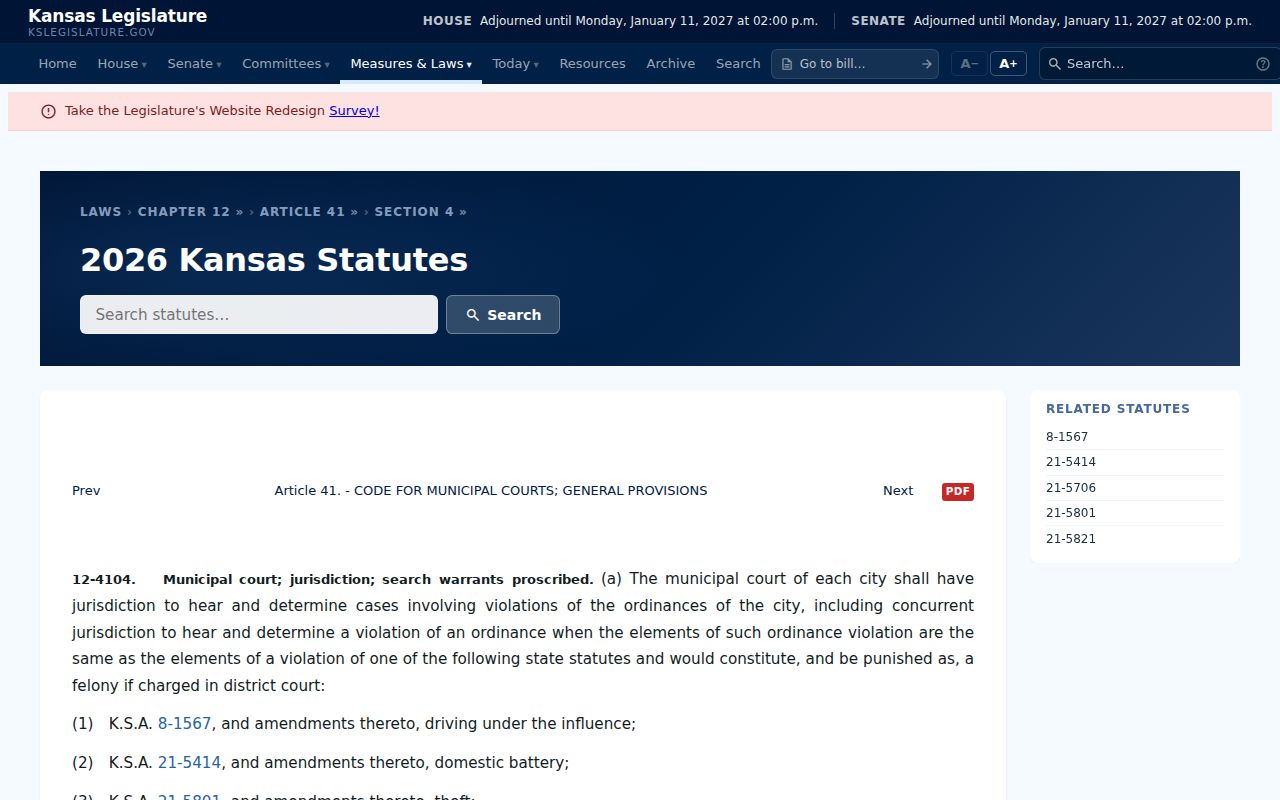
For a municipal file, contact the issuing city first. Cloud County District Court takes district matters and municipal appeals. One caution on forms. Do not send the judicial form to the county administrative clerk by default. The county's general open-records form is a different document from the court form.
Access Rules for Cloud County Records
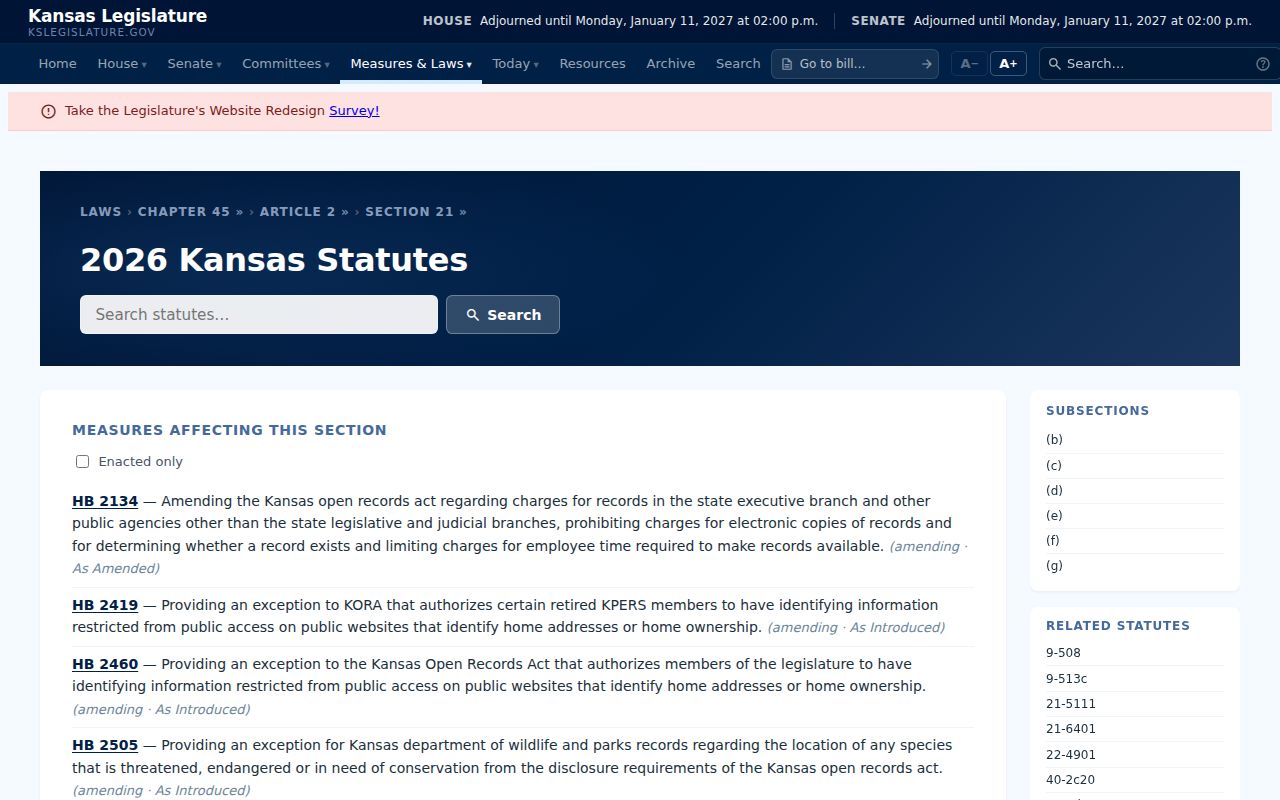
Kansas rules decide what you can see, not a CaseSearch hit. Rule 22 keeps sealed cases, expunged material, many juvenile matters, adoptions, some family and protection documents, trial exhibits, probable-cause affidavits, presentence reports, traffic citations, and unexecuted warrants off public electronic access. The official page for K.S.A. 45-221 lists these disclosure exceptions. It also explains how segregable material gets separated out.
Ask for any segregable public portion and the basis for withholding the rest.
Key rules:
Rule 22 separates portal, terminal, and excluded access.
K.S.A. 45-218 governs requests and responses.
K.S.A. 45-219 covers copies and fees.
When Cloud County Withholds Records
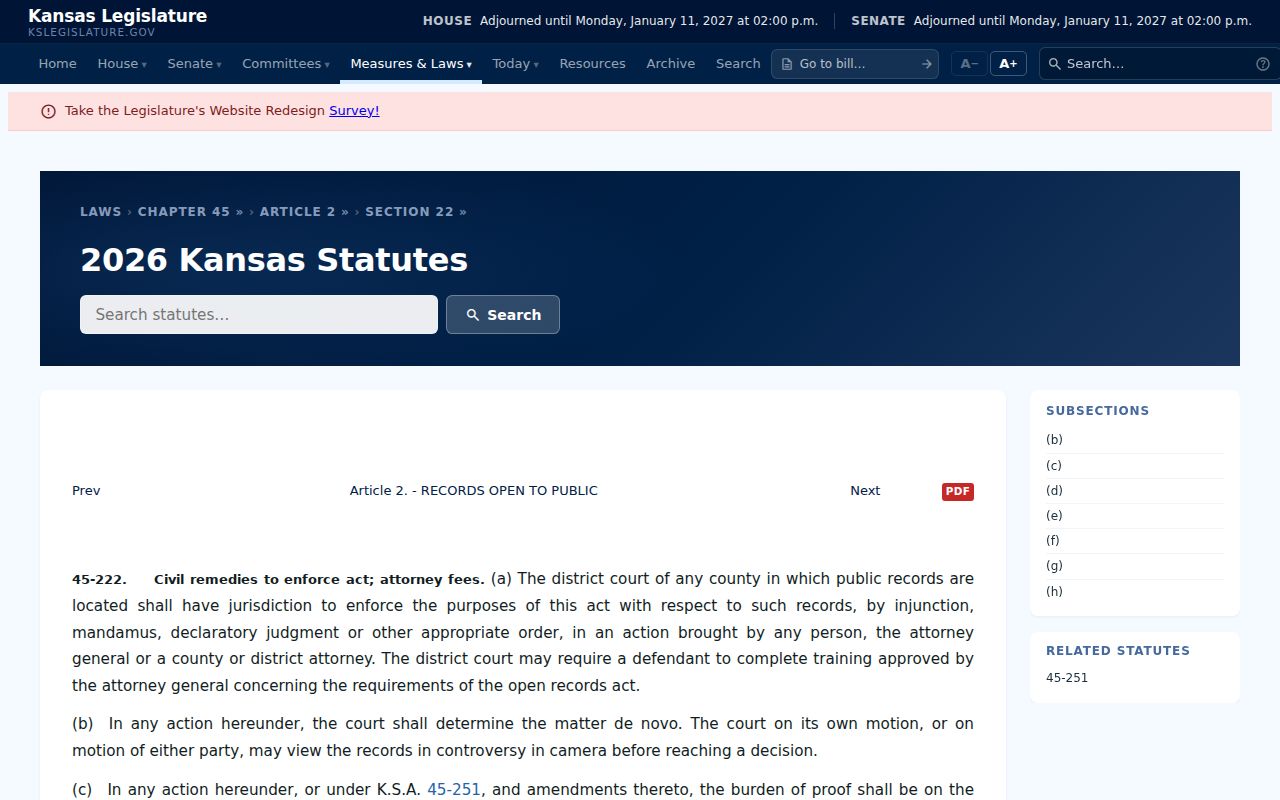
A portal miss, a blocked image, and a formal denial are three different things. First confirm the case and court. Then ask whether the file sits outside electronic coverage, is blocked online, or can still be pulled through a terminal or a written request. The official page for K.S.A. 45-222 sets out enforcement and review when a records request is refused.
Whatever route you take, make the first request precise. Write down what the custodian tells you. Include the stated reason, the scope of what was withheld, and the dates involved. Those details matter when you choose a next step. Sealing and expungement can lawfully change what the public sees in a Cloud County docket. So a missing result is not proof that no case ever existed. It is not evidence of a clerk's error either.
Cloud County Request Details Matter
Details make or break a records request. A narrow ask gets answered faster than a demand for every page. Give the clerk the full case number, the caption, and each party's role. Add the rough filing year, the event date, and the document's title. Say whether you want a plain copy or a certified one. Genealogy and historical searches go better with name variants and a tight date range. Ask before you send anything. Find out whether the file sits in storage, whether staff time gets billed, and whether an estimate needs payment up front. Cloud County publishes no retention schedule, archive address, or standard retrieval time online. So an empty search result does not mean the record was destroyed.
The events index has real limits. It can confirm that an order was entered. It cannot quote the order's exact words. Use the dated event to request the signed document itself. The copy may get filed somewhere else. If so, ask whether that office wants a seal, clerk certification, or another form of authentication. Cloud County offers no published exemplification or apostille service. Remember this. A records request is not discovery, an appeal, or a motion to unseal. When an order controls access, request the public order or rule citation if one exists. Keep the reply with your original request.